



The Province has made $30 billion available in response to the COVID-19 pandemic and they're making additional investments including a total of $7.7 billion to provide ongoing support for the health care sector.
ONTARIO - The provincial government released the 2020-21 First Quarter Finances, as well as an update to Ontario's Action Plan: Responding to COVID-19.
The Province continues to invest and budget for further contingencies in the fight against the COVID-19 outbreak. This would include providing support to families, businesses, workers, municipalities and more.
These investments bring the government's COVID-19 response action plan to a projected $30 billion, up from $17 billion announced in Ontario's Action Plan: Responding to COVID-19 in March.
Minister of Finance Rod Phillips says they what they needed to do to protect Ontarians.
"Dealing with COVID-19 wasn't a choice for any of us, but how we responded was/ From the very beginning, we chose to do whatever was necessary to protect the people of Ontario from this pandemic and support them as they deal with the unprecedented impact on their lives."
Since they announced the first steps in response to the pandemic, additional investments are being made by the Province in the fight against COVID-19, including:
- An increase of $4.4 billion for a total of $7.7 billion to provide ongoing support for health care to build hospital capacity, prevent and contain the spread of COVID-19 in long-term care homes, ramp up testing and purchase personal protective equipment and critical medical supplies.
- An increase of $7.3 billion for a total of $11.0 billion to support people and jobs, which supports investments in a temporary pandemic pay for more than 375,000 eligible frontline workers totaling over $1.5 billion, $4 billion in targeted funding to help municipal partners and transit agencies to continue to deliver critical services, and temporary immediate relief for residential, farm, small business, industrial and commercial electricity consumers.
A deficit of $38.5 billion is now being projected by the Province in 2020-21, which incorporates the most up to date economic information and additional supports for the pandemic recovery period and the safe restart framework.
Private-sector forecasts, on average, project that Ontario's real GDP will decline by 6.6 per cent in 2020, down significantly from when the March 2020 Economic and Fiscal Update was finalized. The total revenue is projected to be $150.6 billion in 2020-21, $5.7 billion lower and program expenses are projected to be $13.1 billion higher than forecast in the March 2020 Economic and Fiscal Update.
When it was announced in March, Ontario's Action Plan: Responding to COVID-19 contained historic levels of prudence and flexibility, including $1 billion COVID-19 Health Contingency Fund, a $2 billion Support for People and Jobs Fund, a standard Contingency Fund of $1.3 billion and an unprecedented reserve of $2.5 billion, the largest in the province's history. Given the continued economic and health uncertainty, the government has included additional prudence totaling almost $9.6 billion to make sure the Province is prepared for future scenarios stemming from the ongoing uncertainty of COVID-19.
It took between 24 and 88 months to return to pre-recession peak employment across the last three recessions. However, as the provincegradually reopens, following the plan outlined in A Framework to Reopen Our Province, there have been recent signs of economic recovery.
In June and July, Ontario's employment increased by 528,600 net jobs and the unemployment rate decreased to 11.3 per cent. Home resales in the province rose 56.6 per cent in May and 67.0 per cent in June, after declining for two months in a row. Manufacturing sales in Ontario increased by 17.5 per cent in May, while retail sales climbed to 14.2 per cent after both declined for two consecutive months.
Phillips says the sooner the virus can be contained, the sooner the economy can get up and running again.
"From the outset, our government determined that putting public health first not only would save lives, but was the smartest economic policy. The faster and steadier the progress to contain the outbreak, the sooner restrictions can be lifted so customers can return to businesses and employees can get back to work. While we still have a long road to recovery, defeating the virus is essential to getting our economy growing again and to ensure the long-term sustainability of the public's finances."
The Province will deliver its next fiscal update will be a multi-year provincial budget by no later than November 15th. Ontario was the first province in Canada to release a fiscal outlook that reflected the impacts of COVID-19. This was a responsible approach that allows the Province to continue assessing the economic situation and provide transparency and accountability based on the most recent and reliable data available at the time.
 Oxford County Releases Survey Results
 Cheese and Cheers Coming to Woodstock
 PJHL Preview - Oct 30th to Nov 1st
 Navy Vets Preview - Nov 1st
 Daylight Saving Time Ends Sunday
 Halloween Safety Tips from WPS
 Patrick Stewart Dead at 86
 SWOX Crash Results in Minor Injuries
 UPDATE: Deceased Identified in Homicide Investigation
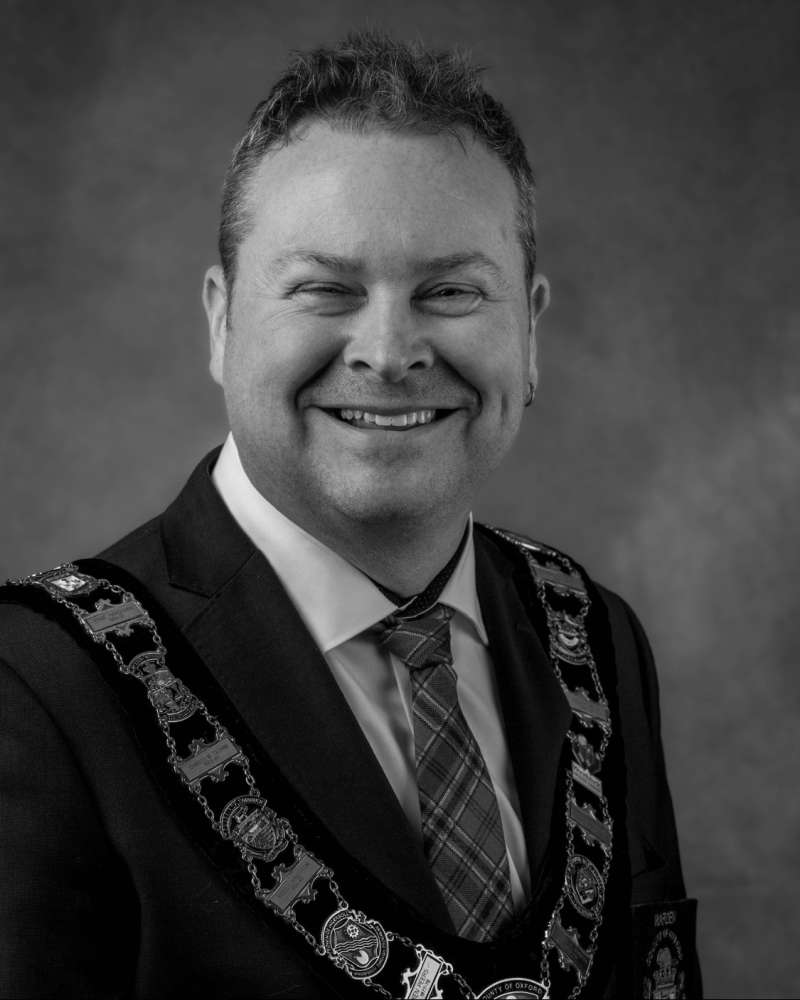 Interview with the Warden - October 29th, 2026
 News Poll: Oxford County Municipal Election Results
 Milwaukee Brewers Win the World Series
 Great Pumpkin Rescue Returns for 2026
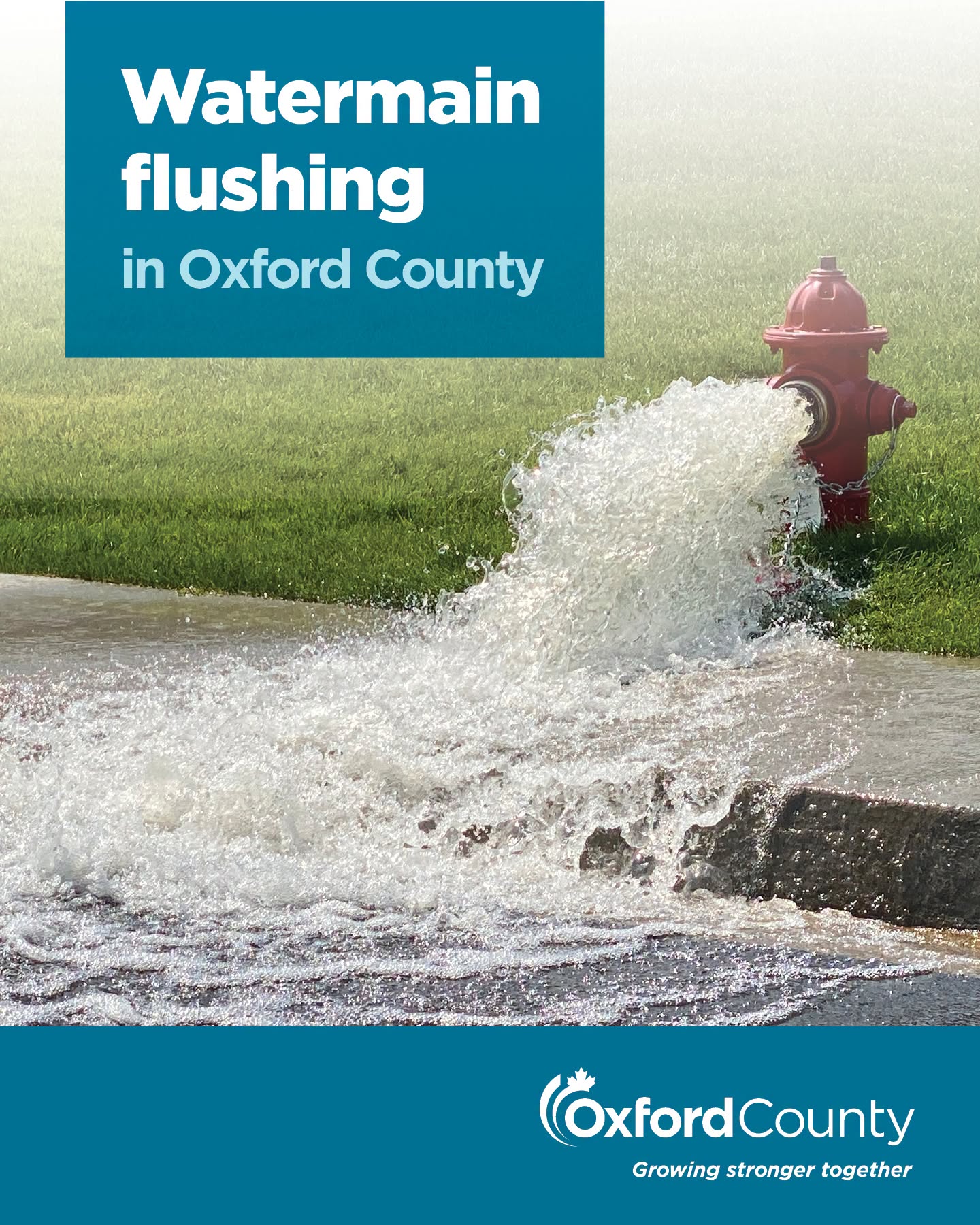 Oxford County Continues Watermain Flushing
 Poppy Campaign Underway in Oxford
 Norfolk OPP Briefs - October 28th, 2026
 Increased Voter Turnout in Woodstock
 Tip Tuesday with the Oxford OPP - October 2026
 Acchione Re-elected as Woodstock Mayor



Comments
Add a comment