

The province is putting the brakes on further re-opening, offering third doses to vulnerable individuals, and requiring health care and education workers to either get fully vaccinated or undergo regular testing.
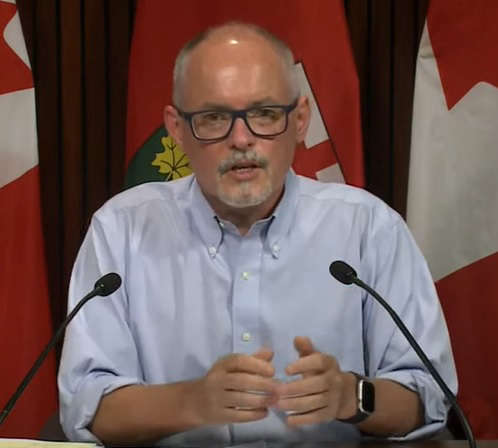
Chief Medical Officer of Health Dr. Kieran Moore provided an update on the province's fight against COVID-19.
Moore has issued a directive requiring a COVID-19 vaccination policy for hospitals and home and community care service providers.
The policy will apply to employees, contractors, students, volunteers and ambulance services.
The policy must take effect by September 7th at the latest, and individuals will be required to get proof of either a full vaccination, a medical reason for not getting vaccinated, or completion of an educational session about vaccines.
Anyone who doesn't get proof of a full vaccination against the virus will need to regularly undergo antigen testing.
Other high risk settings required to implement vaccination policies include post-secondary schools, retirement homes, women's shelters, and congregate group homes and day programs.
In order to support the province's return to school plan, the Ministry of Education plans to introduce a vaccination disclosure policy for all staff within publicly funded school boards, private school and licensed childcare settings.
Workers in these areas will also be required to undergo frequent rapid antigen testing if they're not immunized against COVID-19.
"With the support of Ontario’s Chief Medical Officer of Health, our government is taking action to make schools as safe as possible," said Stephen Lecce, Minister of Education. "Our plan will protect our schools, ensure rapid speed with contact tracing, all with the intention of keeping them open for the benefit of Ontario students."
As well, kids turning 12 by the end of this year are now eligible for the Pfizer vaccine.
The province is also offering third doses to high-risk groups, including transplant recipients, patients currently receiving treatment for certain kinds of cancers, and residents of high-risk congregate settings such as long term care homes, First Nations elder care lodges and high-risk licensed retirement homes.
"Keeping a low rate of infection in our communities and protecting our most vulnerable is how we can keep our schools, our businesses and our social settings as safe as possible while minimizing disruption," said Dr. Kieran Moore, Chief Medical Officer of Health. "To provide the best protection to each individual while learning to live with the virus, we are taking action by requiring individuals who work in higher-risk settings to be fully vaccinated, by providing a third dose of a COVID-19 vaccine to certain groups who have a decreased immune response and by expanding the eligibility to the children born in 2009 or earlier."
The province is also stepping away from the Roadmap to Reopen out of an abundance of caution, but Dr. Moore and other health experts will continue to monitor the data to determine when it's safe to lift the majority of the safety measures currently in place.
For the time being, Ontario will remain in Step Three of the reopening plan.
 Interview with the Warden - September 10th, 2026
 Fatal Collision Forces Road Closure in East Zorra-Tavistock
 Delhi Driver Charged in Malahide Township
 Witaar Releases Numbers for August
 South Gate Centre Hosting Golf Tournament
 Brant OPP Seek To Identify Instacart Shopper
 Blandford-Blenheim Candidate Profile - Richard Kohman
 OPP Release Labour Day Results
 September is Big Brothers Big Sisters Month
 Suspicious Fire in Paris Under Investigation
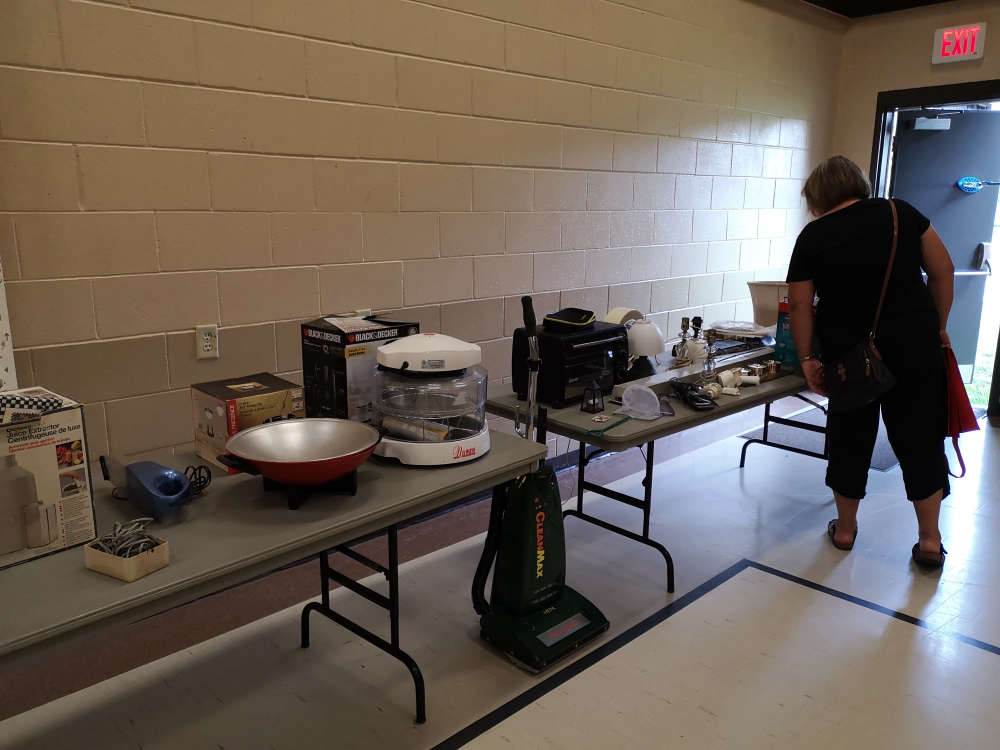 Reuseapalooza-ha Returns to Oxford County
 Toddler Found Safe After Going Missing
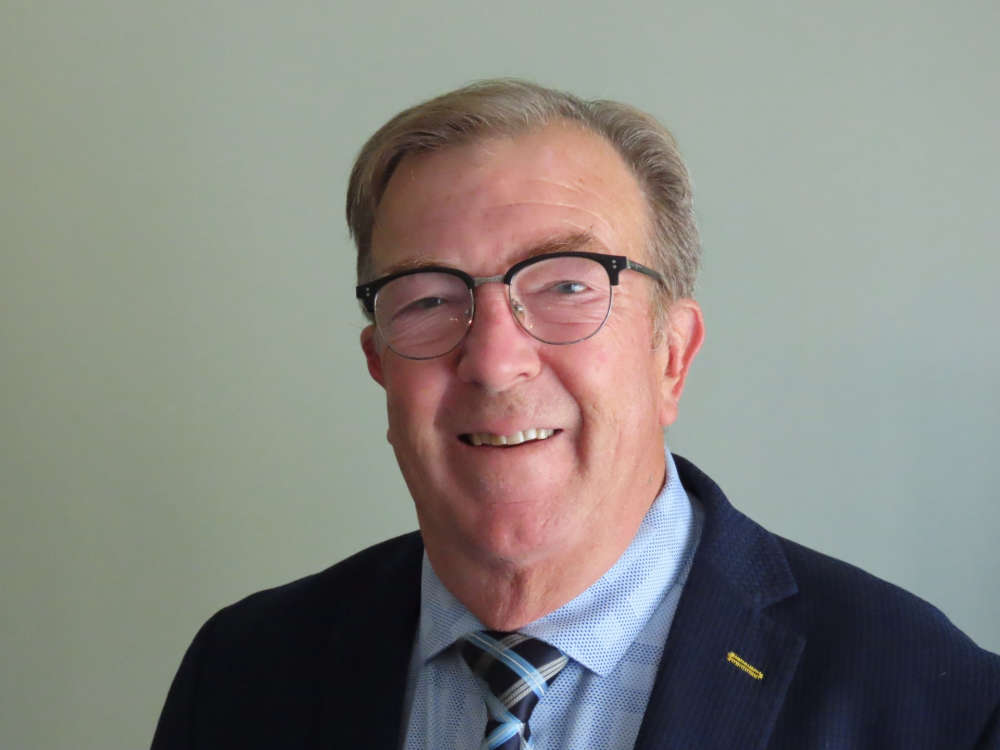 Tillsonburg Candidate Profile - Stephen Molnar
 Safety is Paramount as School Returns
 Parkinson's Walk Returns to Oxford County
 Navy Vets Win Memorial Tournament
 Stolen Motorcycles Recovered by Woodstock Police
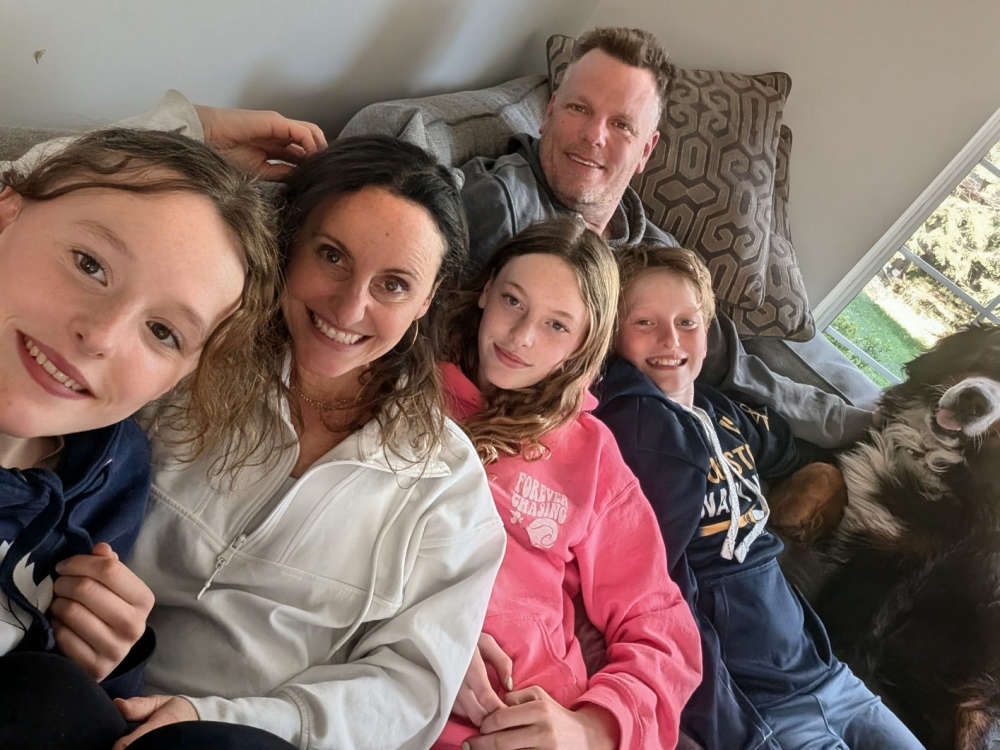 Blandford-Blenheim Candidate Profile - Crystal Wymenga
 Last Call for Road Safety Survey!
 Possible Tornado in Tavistock